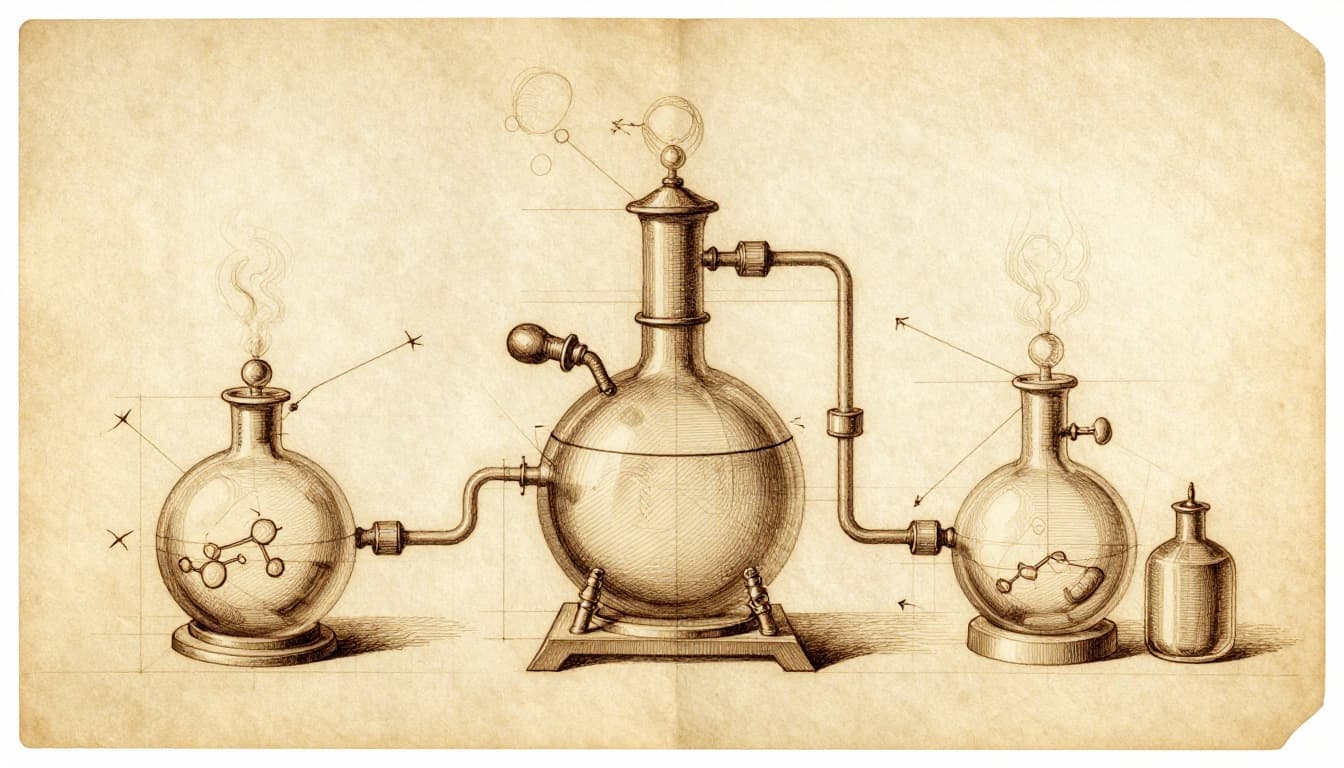
Anthropic Launches Claude Science, Initiates Drug Discovery Programs
June 30, 2026 • Source: BioIntel
Anthropic has introduced Claude Science, an AI workbench specifically designed for scientific research in biopharma, now available to enterprise customers. Concurrently, the company announced its direct entry into life sciences R&D with an initiative to develop its own drugs for neglected diseases, marking a significant strategic expansion and integrating its advanced AI platforms into the pharmaceutical discovery pipeline.
**Key Facts:** • Anthropic launched Claude Science, an AI workbench for biopharma research. • Claude Science is available to enterprise customers. • Anthropic initiated its own drug discovery programs targeting neglected diseases. • This expansion leverages Anthropic's advanced AI platforms, prior acquisitions, and key hires. • The move positions Anthropic as a direct participant in life sciences R&D.
Anthropic, a prominent AI developer, has significantly expanded its footprint in the life sciences sector with the introduction of Claude Science, an AI workbench tailored for biopharmaceutical research. In a notable strategic shift, the company also confirmed its direct engagement in drug discovery programs, specifically targeting neglected diseases, leveraging its proprietary AI capabilities to develop novel therapeutics.
Claude Science: An AI Workbench for Biopharma Research
Anthropic's Claude Science is an AI workbench engineered to streamline and accelerate complex scientific investigations across biopharmaceutical research. This platform, now accessible to enterprise customers, integrates sophisticated natural language processing and machine learning models to assist researchers in hypothesis generation, data synthesis, and experimental design, aiming to reduce the inherent inefficiencies in traditional drug discovery workflows. Its design focuses on interpretability and factual grounding, crucial for high-stakes scientific applications.
The workbench is designed to process vast quantities of biomedical literature, experimental data, and genomic information, presenting actionable insights that might otherwise take human researchers months or years to uncover. By automating data extraction and correlation, Claude Science promises to enhance the productivity of research teams in Pharmaceutical & Drug Development, allowing them to focus on critical decision-making and experimental validation rather than exhaustive manual data analysis. This operational efficiency is poised to impact project timelines and resource allocation.
Integration capabilities are a core component, enabling Claude Science to interface with existing scientific data platforms and laboratory information management systems. This interoperability ensures that organizations, from Biotechnology Startups to established pharmaceutical giants like Novartis and Bristol Myers Squibb, can leverage their proprietary datasets while benefiting from Anthropic's advanced AI, facilitating a more unified and intelligent research ecosystem. The move also signals a maturation of AI tools beyond simple data analytics, moving towards comprehensive research assistance.
Anthropic's Strategic Entry into Drug Discovery
Beyond offering its AI tools as a service, Anthropic has unveiled an ambitious initiative to develop its own drug candidates, with an initial focus on treatments for neglected diseases. This strategic pivot positions the AI firm as a direct participant in drug development, a move typically reserved for traditional pharmaceutical companies or specialized biotechs. The company asserts that its advanced AI, refined through prior acquisitions and strategic hires of life science experts, can accelerate the identification and optimization of therapeutic molecules far more rapidly than conventional methods.
This direct engagement in R&D represents a significant investment in Anthropic’s ability to translate AI-driven insights into tangible medical solutions. By targeting neglected diseases, the company aims to address unmet medical needs while showcasing the transformative potential of its technology in areas often overlooked by larger commercial entities due to market dynamics. This approach could redefine the economic models for drug development, potentially reducing the prohibitive costs associated with early-stage research and expanding access to new therapies.
The decision to become a drug developer carries implications for the broader biopharmaceutical landscape. It introduces a new type of competitor and collaborator, potentially challenging established R&D paradigms and fostering novel partnership structures. This move could also inspire other technology firms to pursue similar vertically integrated strategies, intensifying the race for AI-driven drug discovery breakthroughs and creating new pathways for innovation within Academic Research & Universities and Government & National Labs seeking new funding and collaboration opportunities.
Industry Implications Across Life Sciences
The launch of Claude Science and Anthropic's entry into drug discovery holds substantial implications for various stakeholders across the biology and healthcare ecosystem. For Pharmaceutical & Drug Development companies, this offers a powerful new tool to enhance their research pipelines, potentially reducing drug discovery timelines and costs while improving success rates. Biotechnology Startups may find new avenues for collaboration or face intensified competition from AI-first entities that can operate with unprecedented efficiency.
Academic Research & Universities stand to benefit from more sophisticated AI tools for fundamental biological investigations, enabling faster hypothesis testing and deeper insights from complex datasets. Clinical Research & CROs and Diagnostic & Clinical Labs could see improved study design, patient stratification, and biomarker identification, leading to more targeted and efficient clinical trials. The ability to parse vast amounts of clinical data with AI offers new possibilities for personalized medicine and precision diagnostics, optimizing patient outcomes.
Beyond traditional biopharma, sectors such as Agricultural & Food Science could leverage similar AI methodologies for discovering novel crop enhancements or disease resistance mechanisms, improving food security and sustainability. In Environmental & Conservation, AI could analyze vast ecological datasets to model biodiversity impacts or identify bioremediation solutions. Even Biomanufacturing & Bioprocess operations could integrate AI for optimizing production yields and quality control, leading to more efficient bioproduction. Government & National Labs and Healthcare & Hospital Systems will increasingly rely on AI for public health surveillance, outbreak prediction, and optimizing patient care pathways, driven by the capabilities demonstrated by platforms like Claude Science.
Competitive Landscape and Future Outlook
Anthropic’s dual strategy of offering an AI workbench and directly engaging in drug discovery positions it as a formidable player in the burgeoning field of AI for biology. While companies like Benchling and Medidata offer critical infrastructure for R&D data management and clinical trials, Anthropic's distinct focus on foundational AI for scientific reasoning and active drug development represents a unique competitive posture. This move intensifies the competition for talent and market share within the digital biology space, particularly against other AI-first drug discovery firms like Coefficient Bio.
Industry analysts suggest that this vertical integration could set a new precedent for how technology companies engage with the life sciences. By demonstrating end-to-end capabilities from foundational AI to therapeutic candidate generation, Anthropic aims to validate its AI models in real-world, high-stakes scenarios. This approach could accelerate the adoption of advanced AI across the industry, compelling traditional pharma and biotech to deepen their own AI strategies or seek more robust partnerships, thereby redefining industry standards and expectations.
The long-term revenue implications for Anthropic are significant, extending beyond licensing fees for Claude Science to potential blockbuster drug revenues from successful therapeutic development. For enterprise buyers, the availability of such advanced tools necessitates a reevaluation of internal R&D capabilities and potential outsourcing strategies. The ongoing convergence of AI and biology, exemplified by Anthropic's latest announcements, is reshaping investment priorities and strategic roadmaps across global health and technology sectors, promising a new era of innovation in patient care and bioscientific discovery.
Published June 30, 2026
More NewsLast updated: July 1, 2026